
Popular Seismic Upgrade Service Products for Structural Safety
Discover highly recommended products that improve seismic resistance and help protect structures during earthquakes.
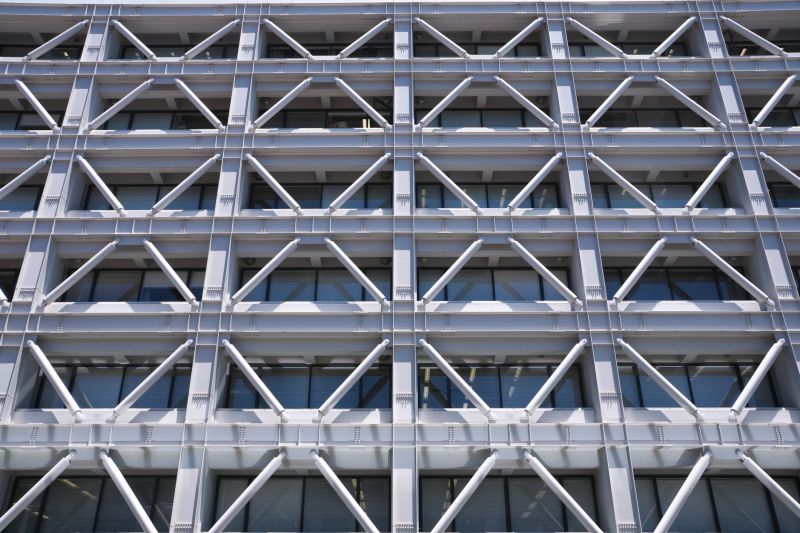 Seismic upgrade services encompass a variety of products designed to enhance the structural resilience of buildings and infrastructure against seismic events. These products are critical in safeguarding property and occupants by improving a structure's ability to withstand earthquake forces. The selection of appropriate seismic upgrade products depends on factors such as building type, existing construction, and regional seismic activity. From foundational reinforcements to structural bracing, each component plays a vital role in creating a safer environment.
Top Overall Option
Structural Reinforcement System
A comprehensive structural reinforcement system combines multiple components such as shear walls, bracing, and foundation anchors to enhance seismic resilience. Designed to integrate seamlessly with existing structures, these systems provide a balanced approach to strengthening without extensive reconstruction. They are adaptable for various building types and can be customized based on specific seismic risk assessments.
Types of Products For Seismic Upgrade Service
Base Isolators
Devices placed between the building and its foundation to absorb seismic energy and reduce transfer to the structure.
Shear Walls
Vertical walls designed to resist lateral forces and prevent excessive swaying during earthquakes.
Cross Bracing Systems
Diagonal braces added to frames to improve lateral stability and distribute seismic loads.
Foundation Anchors
Anchoring devices that secure the structure to its foundation, preventing uplift and sliding during seismic activity.
Reinforced Steel Frames
Steel frameworks integrated into walls and beams to enhance load-bearing capacity and flexibility.
Dampers
Devices that absorb and dissipate seismic energy, reducing vibrations within the structure.
Moment Frames
Structural frames designed to absorb seismic forces through flexible joints and connections.
Reinforced Foundations
Foundation enhancements that improve stability and resistance to seismic forces.
Structural Couplers
Connectors that link structural elements to improve overall integrity during seismic events.
Flexible Piping and Ducts
Seismic-resistant piping systems that allow movement without damage during earthquakes.
Seismic Retrofitting Kits
Pre-packaged solutions for upgrading existing structures with multiple seismic reinforcement components.
Shock Absorbing Mounts
Mounts designed to isolate equipment and sensitive components from seismic vibrations.
Energy Dissipation Devices
Components that reduce seismic energy transfer, protecting structural elements from excessive forces.
Post-Tensioning Systems
Reinforcement systems that apply tension to structural elements to improve earthquake resistance.
Seismic Glass and Windows
Specially designed glass and window systems that withstand seismic vibrations and prevent shattering.
Structural Fiber Reinforcements
Fiber-based materials used to reinforce concrete and other structural elements against seismic forces.
Popular Choices
Widely used to decouple the building from ground motion, reducing seismic impact.
Commonly implemented to improve lateral stability in seismic zones.
Effective for retrofitting existing structures to enhance seismic performance.
Essential for securing structures against uplift and sliding during earthquakes.
Popular energy dissipation devices that help reduce vibrations and structural stress.
Frequently used to strengthen load-bearing elements and improve flexibility.
Commonly incorporated in new and retrofit projects for seismic resilience.
Chosen for enhancing the stability of existing structures in seismic areas.
Popular for equipment and sensitive installations needing vibration isolation.
Often selected to improve overall seismic energy absorption capacity.
Widely used in upgrading concrete structures for seismic resistance.
Increasingly popular for enhancing concrete and composite structural elements.
Implementing seismic upgrades involves integrating multiple product types tailored to address different vulnerabilities within a structure. For example, base isolators can reduce the transfer of seismic energy, while shear walls and bracing systems help prevent lateral movement. Reinforcing existing structural elements with specialized materials can also significantly improve a building's capacity to absorb and dissipate seismic forces. Proper installation and combination of these products are essential for achieving optimal performance during an earthquake.
Advances in seismic upgrade technology have introduced a broad spectrum of solutions suitable for residential, commercial, and industrial buildings. These products are often designed to be adaptable, allowing for retrofits in existing structures without extensive reconstruction. Consulting with structural engineers and seismic specialists can help determine the most effective upgrades for specific circumstances. Ensuring compliance with local seismic codes and standards is also an important consideration when selecting products for seismic resilience.
Ultimately, investing in seismic upgrade products is a proactive step toward minimizing damage and enhancing safety. While no product can guarantee absolute protection, a well-designed combination of seismic reinforcement solutions can significantly improve a building's performance during an earthquake. Proper assessment, planning, and execution are key to creating a resilient structure capable of withstanding seismic forces.
Key Buying Considerations
- Assess the specific seismic risks and requirements of your location.
- Ensure compatibility of products with existing building materials and structures.
- Consult with qualified structural engineers or seismic specialists for recommendations.
- Verify that products meet local building codes and seismic standards.
- Consider ease of installation and retrofit options for existing structures.
- Evaluate the durability and maintenance requirements of seismic products.
- Determine the capacity of products to accommodate building loads and movements.
- Review the flexibility and energy dissipation features of damping devices.
- Check for certifications or testing standards relevant to seismic safety.
- Balance cost considerations with the desired level of structural resilience.
- Understand the long-term performance and lifespan of the upgrade components.
- Consider the impact of upgrades on building occupancy and functionality.
- Review manufacturer support and availability of replacement parts.
- Plan for minimal disruption during installation or retrofitting processes.
- Prioritize solutions that can be tailored to specific building types and seismic zones.